From Recoleta to Palermo: How the Gay Scene in Buenos Aires Became a Premier LGBTQ Tourism Destination
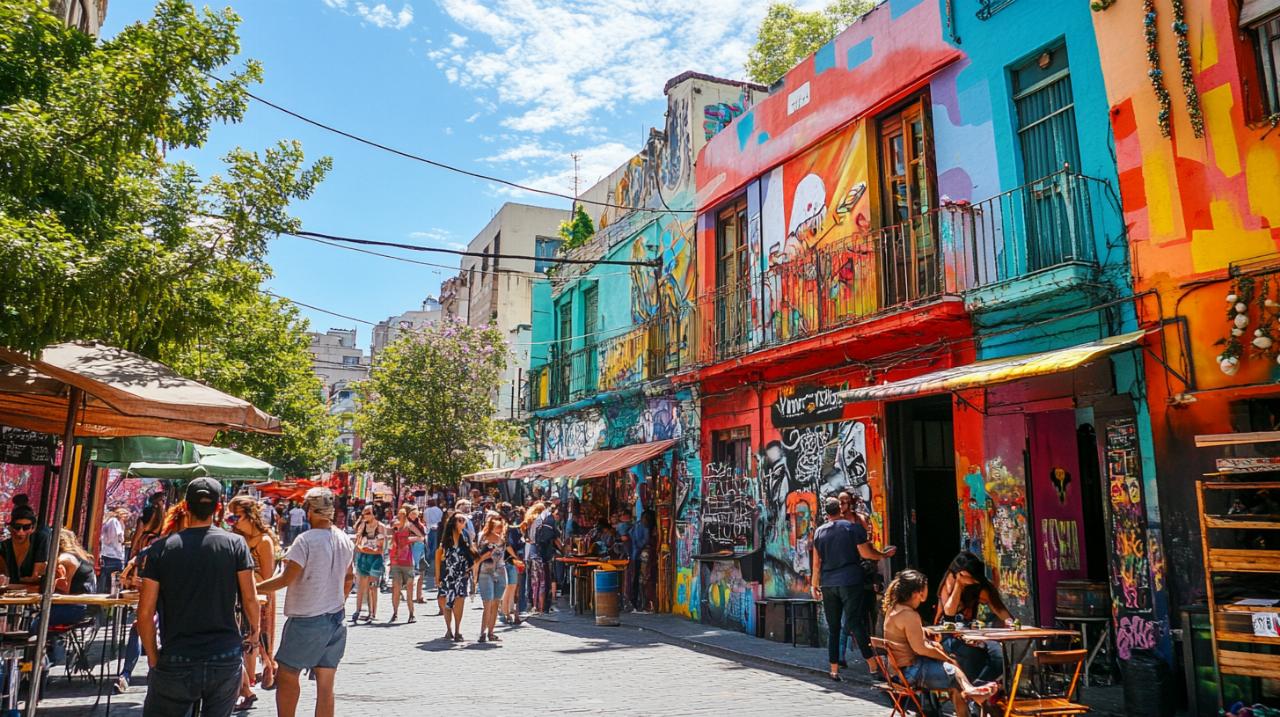
Buenos Aires has transformed itself into the beating heart of LGBTQ culture in Latin America, a city where the elegance of its grand European-style boulevards meets an unapologetically vibrant queer scene. From the historic cafés of Recoleta to the pulsating nightlife of Palermo, this Argentine metropolis offers visitors an intoxicating blend of progressive politics, rich cultural heritage, and a nightlife that rivals any global capital. The journey from quiet activism in the shadows of dictatorship to hosting one of the world's largest Pride parades is a story of resilience, celebration, and an unwavering commitment to LGBTQ rights.
The Evolution of Buenos Aires as an LGBTQ Capital in Latin America
The story of Buenos Aires as an LGBTQ haven did not happen overnight. The foundations were laid in 1967 when Nuestro Mundo, the country's first LGBTQ rights organisation, emerged during a time when simply being queer was an act of quiet defiance. The city's queer scene began to take shape in earnest during the 1980s, a decade marked by the end of military dictatorship and the slow, tentative return of freedoms that had been brutally suppressed. Throughout the brutal regime that lasted from 1976 to 1983, queer nightlife was forced underground, with safe spaces operating in secrecy. Yet even in those dark years, seeds of resistance were being sown.
By the 1990s, momentum was building. The first Pride march took place in 1992, a modest gathering of around three hundred brave souls starting from Casa Rosada. Led by the activist Carlos Jáuregui, this initial parade was more than a simple march; it was a declaration that the LGBTQ community would no longer be invisible. Jáuregui's legacy is so significant that a subway station in the city now bears his name, a permanent reminder of his contributions to the fight for equality. As the decade progressed, the scene continued to flourish, with pride parades growing in size and visibility, and the city's bars and clubs becoming bolder in their expression of queer identity.
Argentina's Progressive Legislation and Its Impact on Gay Tourism
Argentina's reputation as a progressive beacon in Latin America is not merely symbolic; it is enshrined in law. In 2002, Buenos Aires took a pioneering step by granting gay couples the same rights as heterosexual couples, a move that set the stage for national change. By July 2010, Argentina became the first country in South America and the tenth in the world to legalise same-sex marriage, a landmark decision that sent ripples across the continent. This wasn't just a legal victory; it was a statement that love and commitment knew no gender boundaries.
The legislative advances did not stop there. In 2012, Argentina passed the Gender Identity Law, a groundbreaking piece of legislation that allows individuals to self-determine their gender without the need for medical or psychological approval. This law has been celebrated globally, and in 2015, the World Health Organisation cited Argentina as an exemplary country for transgender rights. The legal framework extends to robust hate crime legislation, with offences based on sexual orientation or gender identity potentially resulting in life imprisonment. These laws have not only protected the rights of LGBTQ individuals but have also sent a clear message to the world that Argentina is open, welcoming, and safe for queer travellers.
The impact of these progressive policies on tourism has been profound. Buenos Aires is now firmly established as the gay capital of South America, attracting visitors from around the globe who seek a destination where they can be themselves without fear or judgement. The city's LGBTQ scene thrives in neighbourhoods such as Palermo and Recoleta, where bars, clubs, and cultural venues cater to a diverse and enthusiastic crowd. The annual Pride parade, held in November, draws around two hundred thousand attendees, transforming the streets into a kaleidoscope of colour, music, and celebration. This event alone has become a major draw for international tourists, contributing significantly to the city's economy and reinforcing its status as a premier LGBTQ destination.
How Buenos Aires Became the First City in the Region to Legalise Same-Sex Marriage
The path to marriage equality in Buenos Aires was paved by decades of activism, advocacy, and the tireless work of individuals who refused to accept discrimination. The city had long been a hub of progressive thought, with its European atmosphere and cosmopolitan character fostering a culture of acceptance. Key figures like Carlos Jáuregui played instrumental roles in shifting public opinion and pushing for legislative change. His leadership in the early pride marches and his work with LGBTQ organisations laid the groundwork for the legal victories that followed.
When Buenos Aires granted equal rights to same-sex couples in 2002, it was a bold statement that challenged the conservative norms prevalent in much of Latin America. This move was not without controversy, but it demonstrated the city's willingness to lead rather than follow. The momentum built from this decision culminated in the national legalisation of same-sex marriage in 2010, a watershed moment that made headlines around the world. The decision was celebrated not only by Argentina's LGBTQ community but also by activists globally, who saw it as a sign that progress was possible even in regions where traditional values had long held sway.
The legalisation of same-sex marriage has had a lasting impact on the city's identity. It has reinforced Buenos Aires' reputation as a modern, diverse city that embraces all forms of love and family. This legal recognition has also practical implications for tourists, with some cities like Puerto Madryn offering fast-track same-sex marriage services, making it easier than ever for couples to tie the knot in Argentina. The combination of legal protection, cultural acceptance, and a vibrant social scene has made Buenos Aires an irresistible destination for LGBTQ travellers seeking both celebration and sanctuary.
Exploring the Iconic Gay Neighbourhoods: From Recoleta's Elegance to Palermo's Vibrant Energy
Buenos Aires is a city of distinct neighbourhoods, each with its own character and charm. For LGBTQ visitors, the areas of Recoleta, San Telmo, and Palermo stand out as particularly welcoming and vibrant. These neighbourhoods are not just places to visit; they are living, breathing communities where queer culture is woven into the very fabric of daily life. From historic cafés where queer intellectuals once gathered to cutting-edge clubs that define the city's nightlife, these areas offer a rich tapestry of experiences.
Recoleta and san telmo: where historic charm meets contemporary lgbtq culture
Recoleta is one of Buenos Aires' most elegant neighbourhoods, known for its grand architecture, leafy streets, and the famous Recoleta Cemetery, where Eva Perón is buried. Evita, as she is affectionately known, holds a special place in the hearts of many LGBTQ individuals, who see her as an icon of resilience and compassion. The neighbourhood is steeped in history, with cafés such as Café Tortoni serving as gathering places for queer intellectuals and artists throughout the decades. It was in cafés like this that the Spanish poet Federico García Lorca found inspiration, and where the seeds of Argentina's rich cultural heritage were sown.
Recoleta is also home to important historical sites related to LGBTQ activism. The intersection of Santa Fe and Pueyrredón avenues, along with the rose garden in nearby Palermo, were key locations for the early gay scene. Today, Recoleta continues to be a hub of LGBTQ culture, with modern venues such as Feliza offering a blend of café, bar, and creative space that attracts a diverse crowd. This cultural hotspot is emblematic of the neighbourhood's ability to honour its past while embracing the future.
San Telmo, with its cobbled streets and Sunday market, offers a different but equally compelling experience. This historic neighbourhood is the birthplace of tango, a dance that itself has a queer history. Originally, tango was danced by men together, a defiant expression of masculinity that challenged conventional gender norms. In recent years, this tradition has been revived and reimagined through Milonga Queer, a modern tango scene where anyone can lead or follow, regardless of gender. This weekly event is a celebration of fluidity and freedom, a space where tradition and modernity dance together in perfect harmony.
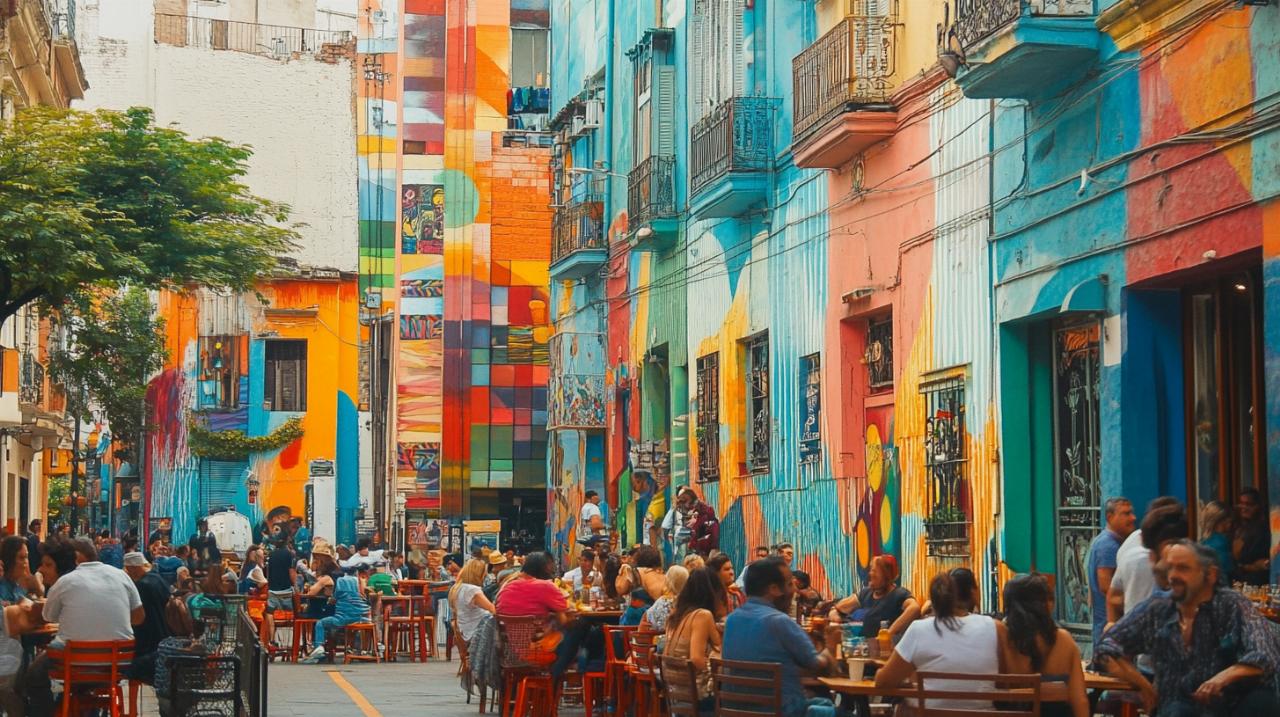
Palermo Soho and Palermo Hollywood: The Heart of Buenos Aires' Queer Nightlife and Bars
Palermo is the undisputed epicentre of Buenos Aires' queer nightlife. Divided into sub-neighbourhoods such as Palermo Soho and Palermo Hollywood, this area is trendy, artistic, and unapologetically vibrant. The streets are lined with bars, clubs, restaurants, and boutiques, all contributing to a scene that pulses with energy from dusk until dawn. For LGBTQ visitors, Palermo offers an embarrassment of riches, with venues catering to every taste and preference.
Nightlife in Palermo is diverse and dynamic. Club Amerika is one of the most famous gay discos in the city, known for its energetic dance floors and welcoming atmosphere. Contramano, which opened in the 1980s during the height of repression, has survived and thrived, becoming a legendary spot for those seeking a classic gay club experience. Glam is another staple, offering a chic setting and a crowd that knows how to party. For those who prefer a more intimate vibe, venues like Casa Brandon and Feliza host a range of events, from live music to art exhibitions, creating spaces where culture and nightlife intersect.
The party scene in Palermo is equally impressive. Fiesta Plop is a regular event that draws large crowds with its eclectic mix of music and performance. KM Zero and other roving parties pop up across the neighbourhood, ensuring that there is always something new to discover. For women, the weekly Rose party at Frida Club offers a dedicated space to dance, connect, and celebrate. Meanwhile, Club 69 has earned a reputation as one of the city's most iconic queer parties, blending music, fashion, and performance art into an unforgettable experience.
Beyond the clubs and parties, Palermo is also home to a thriving café culture. MariCafe and La Greco are popular spots where the LGBTQ community gathers during the day, offering a more relaxed environment to meet friends, work, or simply enjoy a coffee. Pride Café and Ay Cariño are other favourites, known for their welcoming atmosphere and delicious fare. These venues are not just places to eat and drink; they are community hubs where conversations flow, friendships are forged, and the spirit of Buenos Aires' queer scene is alive and well.
Planning Your LGBTQ Trip to Buenos Aires: Hotels, Clubs, and Pride Celebrations
Planning a trip to Buenos Aires as an LGBTQ traveller is an exciting prospect, with the city offering a wealth of options for accommodation, entertainment, and cultural experiences. Whether you are visiting for the annual Pride parade, the Tango Queer Festival, or simply to soak up the atmosphere of one of the world's most welcoming cities, there is something for everyone.
Gay-Friendly Hotels and Accommodation Across the City's Top Neighbourhoods
Accommodation in Buenos Aires ranges from budget-friendly hostels to luxury hotels, with many establishments proudly advertising their gay-friendly credentials. For those seeking a men's-only experience, El Lugar Gay offers a dedicated space designed with gay travellers in mind. This boutique hotel provides a comfortable and welcoming environment, with staff who understand the needs and preferences of their guests.
In October, the launch of the Noma Pride Hotel added another exciting option to the city's accommodation scene. This new hotel is designed specifically for the LGBTQ community, offering not just a place to stay but a celebration of queer identity and culture. Its location and amenities make it an ideal base for exploring the city's nightlife and attractions.
For those who prefer to stay in the heart of the action, hotels in Palermo and Recoleta offer easy access to the best bars, clubs, and cultural venues. Many of these establishments go out of their way to ensure that LGBTQ guests feel welcome, with rainbow flags in the lobby, knowledgeable staff, and partnerships with local queer organisations. The European atmosphere of Buenos Aires, combined with its modern amenities and high quality of life, makes it a city where comfort and style are never in short supply.
Must-Visit Bars, Clubs, and Annual Pride Events That Define the Buenos Aires LGBT Scene
No trip to Buenos Aires would be complete without experiencing its legendary nightlife. The city's bars and clubs are renowned for their energy, diversity, and inclusivity. Amerika Disco, Contramano, and Glam are essential stops for anyone looking to dance the night away, while parties like Fiesta Plop and Club 69 offer unique experiences that blend music, performance, and community. For those who prefer a more laid-back vibe, venues like Casa Brandon and Feliza provide spaces where culture and socialising go hand in hand.
The city's calendar is packed with LGBTQ events throughout the year. Argentina's Pride Month is in November, with the parade taking place on the first or second Saturday of the month. Starting at six in the evening from Plaza de Mayo, the parade winds through the city, drawing around two hundred thousand people in a spectacular display of colour, music, and solidarity. This event is a highlight for many visitors, offering a chance to celebrate alongside locals and travellers from around the world.
In December, the Tango Queer Festival takes over the city, offering performances, workshops, and social dances that celebrate the queer history of tango. This festival is a beautiful reminder of how Buenos Aires honours its past while continuously reinventing itself. Meanwhile, the Asterico LGBTQ Film Festival showcases the best in queer cinema, providing a platform for stories that might otherwise go untold.
Beyond Buenos Aires, other cities in Argentina also offer LGBTQ-friendly experiences. Mendoza, famous for its wine production, hosts Vendimia Para Todos in late February or early March, a week-long festival of parties, events, and activities that celebrate LGBTQ culture. Córdoba, with its young student population and picturesque valleys, offers a more laid-back atmosphere, while Puerto Madryn provides opportunities for whale watching alongside its fast-track same-sex marriage services. For nature lovers, the Iguazu Falls, Perito Moreno Glacier, and the wetlands of Esteros del Iberá offer breathtaking landscapes that can be enjoyed by all.
Buenos Aires is a city that has fought for its right to celebrate, and that spirit of celebration is evident in every corner of its LGBTQ scene. From the historic cafés where queer intellectuals once gathered to the modern clubs where the next generation dances until dawn, the city offers a rich and varied experience. Whether you are drawn by the promise of legal equality, the vibrant nightlife, or the cultural richness that permeates every neighbourhood, Buenos Aires stands as a testament to what a city can achieve when it embraces diversity and champions the rights of all its citizens.